
Bad Veneers vs Good Veneers – What You Need to Know?
Around 8% of Americans have veneers on their teeth, making their smiles brighter and hiding imperfections. However, you need to understand the difference between bad veneers and good veneers to ensure you choose a type that fits you well, looks natural, doesn’t cause discomfort, lasts for years, and requires less tooth preparation.
Any veneers that do not meet these standards are considered bad veneers. Selecting an experienced dentist can help you easily spot the difference between the types of veneers and which ones are right for you based on your teeth’s condition.
Contact Asli Tarcan Dental Clinic today, where we have well-experienced dentists who give you a free consultation and help you choose the veneers that give you the desired smile.
What is the difference between good veneers and bad veneers?
Good veneers look natural, fit properly, don’t cause any discomfort, require minimal tooth preparation, and don’t feel heavy. The bad veneers feel bulky, look fake, are mismatched with the natural tooth color, and may cause lasting damage to the natural teeth.
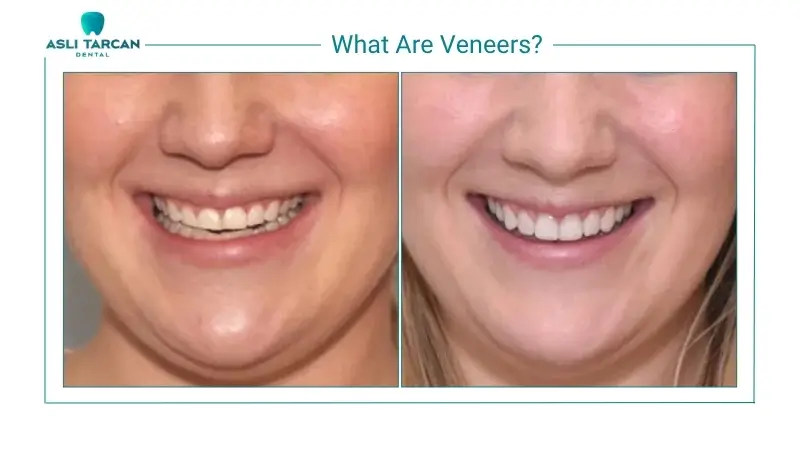
What Are Veneers?
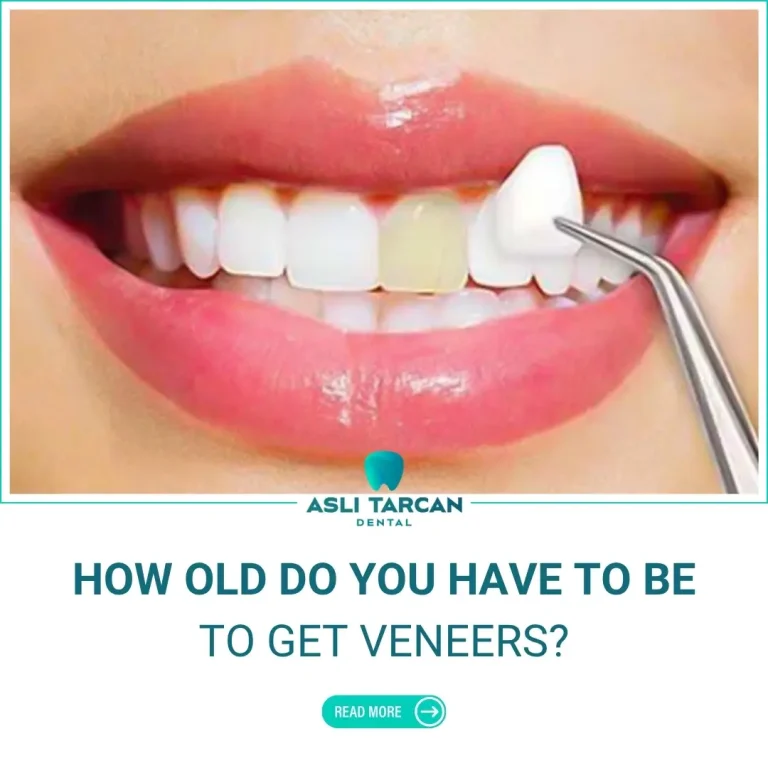
Veneers are thin custom-made covers, also known as shells, which are placed on the front surface of the teeth, hiding all the irregularities such as chips, gaps, or misalignment.
They’re made of different materials such as porcelain or composite, and their qualities, look, durability, and experience matter based on their type. They’re bonded permanently to your teeth and give you a perfect smile for years.
Signs of Bad Veneers
Bad veneers are poorly created and bonded, don’t fit well, offer an unnatural look, and can even cause damage to the natural teeth.
According to a study published in the Journal of Clinical Medicine in 2024, bad veneers can cause gingivitis, which is a gum disease that makes the gums bleed, causing discomfort. This can cause veneers to fail.

These are the characteristics of bad veneers that you should look for to spot them.
Bulky Appearance
Bad veneers are overly thick, look fake, and feel uncomfortable. They feel too bulky on the teeth.
Discoloration & Yellowing
The material used in the poor-quality veneers is usually low-grade material, which can stain and dull quickly. While the quality veneers, such as porcelain, are resistant to staining and dullness, this makes them last longer.
Poor Alignment
Poor alignment is one of the most common signs of poorly applied veneers that disrupt your smile and the bite.
Damage To The Natural Tooth
When an inexperienced dentist aggressively prepares the teeth by removing too much enamel, it can cause damage to the natural teeth.
Unnatural Look
Poor veneers may appear overly white, thick, or glossy, which gives them an unnatural appearance. They don’t blend with the color of your natural teeth.
Weak Lifespan
Due to the poor material used, the low-quality veneers can easily chip, crack, or stain, which significantly reduces their lifespan.
Excessive Tooth Shaving
The bad veneers are when the dentist overly prepares the natural tooth, which can cause lasting damage, discomfort, and also increase the risk of sensitivity or decay.
See Also: How Often You Have To Replace Veneers?
Common Causes Of Bad Veneers
These are the common reasons for the poor veneers.
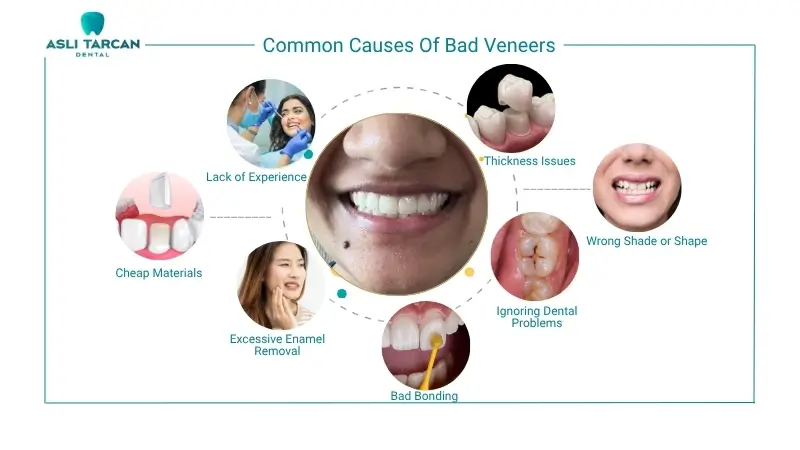
- Lack of Experience: An unskilled dentist can leave you with veneers that don’t fit well or look natural.
- Cheap Materials: The most common cause of the bad veneers is that they’re created with low-grade material that leads them to chip, wear out, and stain quickly.
- Excessive Enamel Removal: When the dentist removes enamel excessively, it weakens the tooth structure and makes the teeth sensitive, causing the bad veneers.
- Bad Bonding: Due to inexperience or accidents, dentists may bond veneers incorrectly, causing them to loosen or trap bacteria.
- Ignoring Dental Problems: When the dentist places the veneers over cavities or gum, it results in poor alignment, which causes them to come off quickly.
- Wrong Shade or Shape: If color and design aren’t matched to your face, veneers may look fake.
- Poor Temporaries: Bad temporary veneers can ruin comfort and affect final results.
- Thickness Issues: Veneers that are too thick or thin feel odd and look unnatural.
Signs of Good Veneers
Good veneers are the ones that fit properly, look natural, match the natural color of your teeth, are durable, and don’t cause any oral health issues or discomfort.
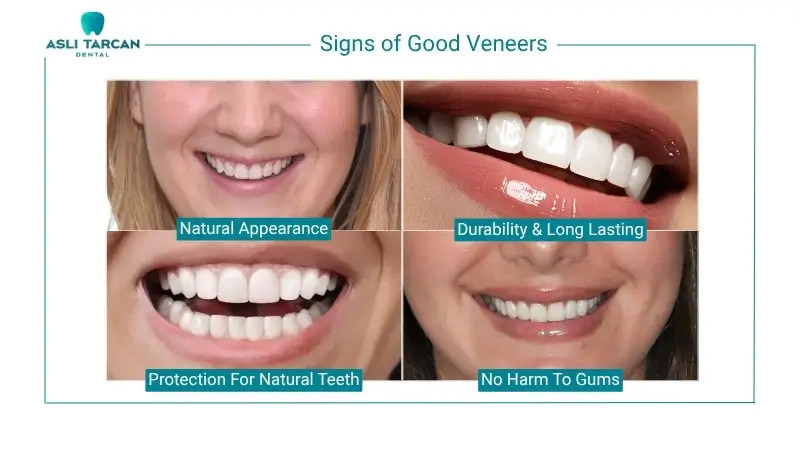
These are the common signs of good veneers.
Natural Appearance
Good veneers are carefully created with good-quality material to match the shade, translucency, and shape of your teeth. They blend in so well that it’s hard to tell if they’re your original teeth or the veneers.
Durability & Long Lasting
Good veneers are made with strong materials such as porcelain that can easily hold up to daily use, are resistant to stains and damage, and last for up to 10 to 15 years.
Protection For Natural Teeth
They’re expertly placed on your teeth, preserving the natural tooth structure instead of weakening it and causing more issues.
No Harm To Gums
High-quality veneers are well-fitted and sit smoothly at the gumline to avoid irritation. They support a balanced bite, which protects both gums and jaw health.
We at Asli Tarcan Clinic have experienced dentists who consult you for free, assess your tooth condition, and suggest the right veneers to avoid the bad ones. Contact us today to transform your smile safely.
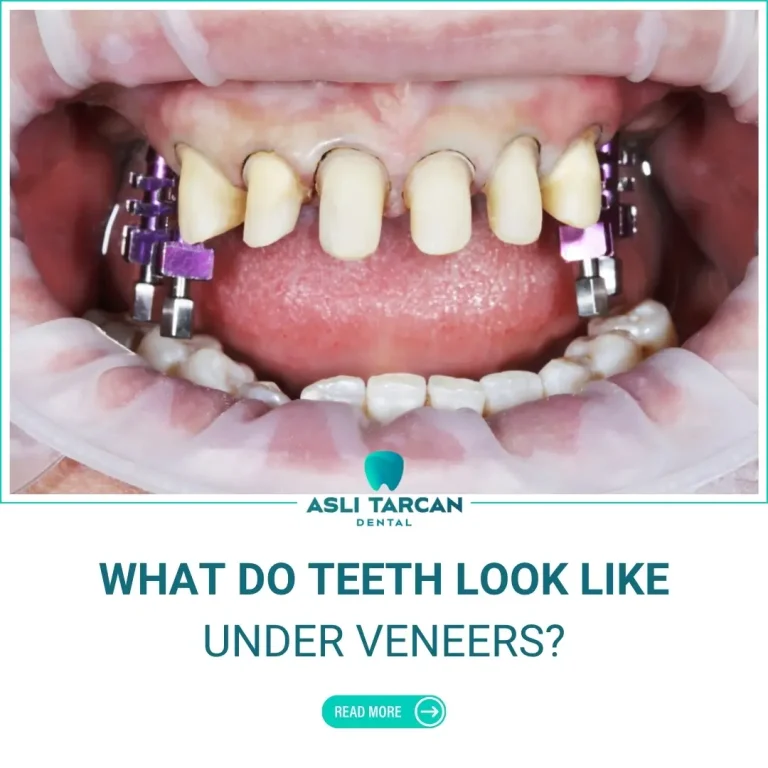
See Also: What Teeth Look Like Under Veneers?
Porcelain Vs Composite Veneers: Which One Is Good And Bad?
Porcelain and composite veneers are the most commonly used. Which one is bad and good? Let’s compare both and see which qualities of them they fail at and succeed at.
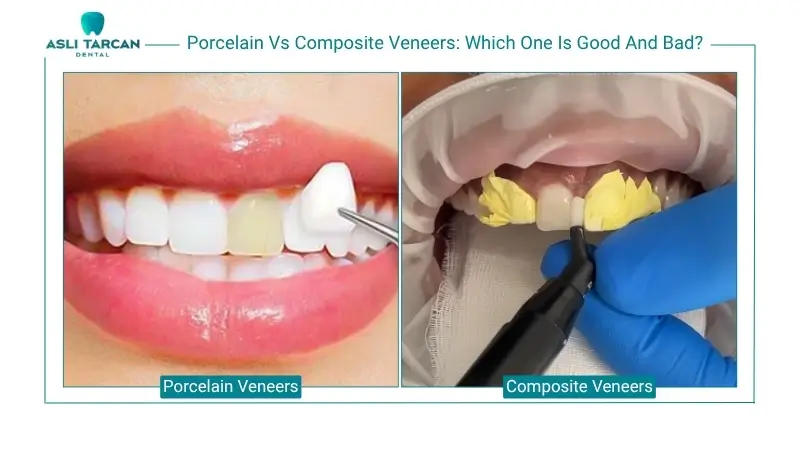
Porcelain Veneers
Porcelain veneers are the most used type, which look natural because they reflect light like real teeth. They’re strong, durable, and highly resistant to stains, because of which their 10-year survival rate is 90-95%.
They tend to be more expensive and require more tooth preparation than the composite veneers.
Composite Veneers
Composite veneers are less expensive, require less tooth preparation, but they don’t look as natural as porcelain, and they can also stain easily. They’re created with the composite resin material that is weak and can chip or wear down over time.
Their lifespan is usually around 5 to 7 years, and with good care, you can make them last longer.
Read In Detail: Porcelain vs Composite Veneers
Factors to Identify Good Veneers from Bad Ones
How to avoid bad veneers? You need to learn how to identify good veneers and the bad ones, and these are the factors that you can consider to do that.
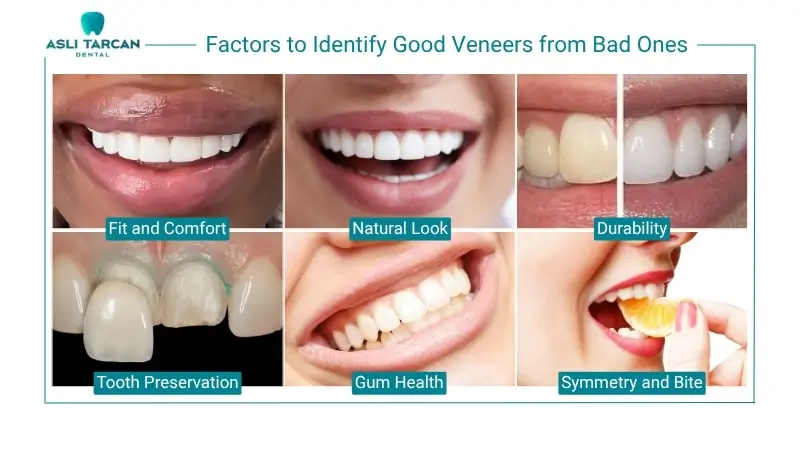
- Fit and Comfort: Check if the veneers fit well and are also comfortable in daily use.
- Natural Look: They shouldn’t be overly white or mismatched with your teeth color, as they then look unnatural and fake.
- Durability: Ensure that you choose the veneers that are made with a lasting and strong material that can hold up against damage and staining.
- Tooth Preservation. The veneers shouldn’t require too much of the enamel removal.
- Gum Health: Smooth fit prevents irritation and bleeding gums.
- Symmetry and Bite: Proper placement keeps your smile balanced.
These are the considerations that you need to take to choose the right veneers for you.
- Consult with a skilled cosmetic dentist who has good experience with veneers.
- Ask the dentist to show you the before-and-after pictures of the cases they’ve handled successfully in the past.
- Choose the veneers that are high quality and last longer, also offering a natural appearance.
- Select a reputable clinic that is well known for its dental cosmetic work, such as Asli Tarcan Dental Clinic. Read their reviews and the testimonials to check if the past patients had a good experience with them, and they got the desired smile.
The Risks of Bad Veneers and Why You Should Avoid Them?
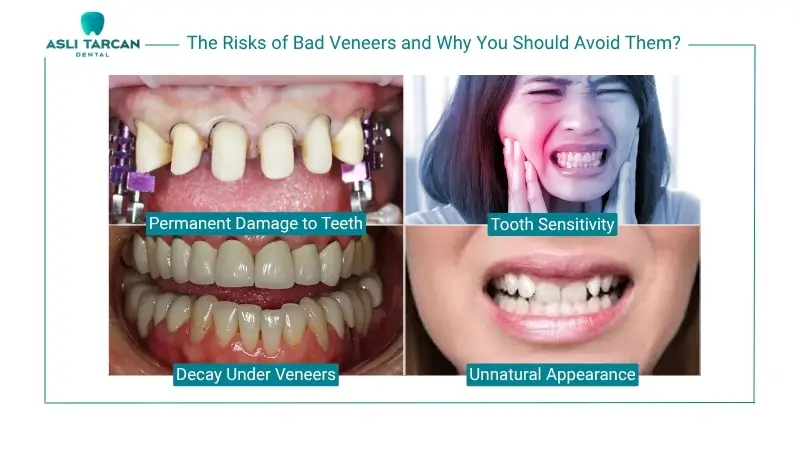
Getting bad veneers can be highly risky for your oral health and appearance. They can cause lasting damage to the tooth structure that may require further complex treatments that will cost money, as well as patience for recovery.
Furthermore, they may make your smile look unnatural and fake, which is easily noticeable and may lead to social anxiety, being too cautious about appearance, and affecting your confidence.
These are the risks of bad veneers, which you should avoid
- Permanent Damage to Teeth
- Gum Recession
- Tooth Sensitivity
- Decay Under Veneers
- Need for Additional Procedures
- Unnatural Appearance
- Premature Wear and Tear
See Also: Why Temporary Veneers Look Awful?
Impact Of Dentists On Veneers
More than the quality of veneers, the dentist who bonds them matters most. An inexperienced dentist carelessly installs the veneers, without taking the facial features, tooth color, and bite alignment of your teeth into account.
Due to this, you experience dental issues like misalignment, mismatching of the color, or the veneers looking too bright or fake. It can also lead to damage to the natural teeth due to excessive tooth preparation.
While an experienced dentist considers all these things, carefully places the veneers, and ensures the minimal tooth preparation is done, yet the best results are provided.
They also ensure the veneers fit your teeth, blend perfectly with the color, size, and structure, so that they look real. All the issues, such as tooth decay, sensitivity, or asymmetry, are prevented.
See Also: Does Freddie Freeman have Veneers?
Ready for a Perfect Smile with Quality Veneers?
At Asli Tarcan Dental clinic, we have a team of experienced dentists with years of experience and hundreds of successful veneer procedures in their record.
We offer free consultation so that we can assess your teeth, understand your requirements, and suggest the best veneers suitable for your case. We then carefully place them with minimal tooth preparation so that you can recover faster and you get a fully transformed smile that looks natural and stays for years. Contact us today.

What Our Experts Say About Veneers
Bad veneers vs good veneers: what you need to know about both? The bad veneers are the ones that don’t fit well, look unnatural, mismatch with your tooth structure, cause misalignment, and require too much of the tooth preparation.
Good veneers, on the other hand, are the ones that fit well, look natural, perfectly blend with the tooth color and the structure ,and require minimal tooth preparation.
To get a natural and transformative smile with veneers, you need to choose a qualified dentist who knows how to bond veneers precisely with less tooth preparation.
We, at the Asli Tarcan clinic, can help you with highly qualified and top-rated dentists in the US. Contact us for a consultation.
See Also: Veneers For Missing Teeth
FAQs
How Long Do Good Veneers Typically Last?
Their lifespan depends on how well you care for them. But, typically, the composite veneers last from 5 to 7 years while the porcelain lasts for 10 to 15 years.
Can Bad Veneers Cause Damage To My Natural Teeth?
Yes, bad veneers can weaken the enamel and cause lasting sensitivity or decay to the teeth.
How Do I Know If My Veneers Are Failing
If your veneers cause discomfort, an uneven bite, or they look fake or feel bulky, they’re failing.
Are Porcelain Veneers Better Than Composite Resin Veneers?
Yes, they’re considered better than composite veneers as they last longer, look more natural, and are resistant to stains.
What Should I Expect During The Veneer Application Process?
You should expect the consultation, tooth preparation, impressions, and bonding during the veneer application process.
How Do I Maintain My Veneers To Ensure They Last?
Follow the dental care that the dentist suggests after the veneers. It includes brushing, flossing, and avoiding biting hard foods.
Can I Get Veneers If I Have Crooked Teeth?
You can, but only when the crookedness is mild. For severe misalignment, the veneers may not work so well, and braces should be considered.
Are Veneers Reversible, Or Can They Be Removed?
They’re not reversible as they require enamel removal. They can be replaced but not undone.
What Are The Risks Of Choosing Low-Quality Veneers?
The risks of choosing bad veneers include gum irritation, staining, chipping and poor fit that could result in serious dental issues later on.
How Do I Choose The Right Dentist For Veneers?
You can choose the right dentist for veneers by checking their past work, reading their reviews, and the testimonials of the patients.
How Much Do Veneers Cost, And Are They Worth The Investment?
The cost of the veneers depends on their type and how many teeth they need to cover. The upfront cost is usually higher, but they’re totally worth it as they offer you a lasting smile that gives you confidence and a new way of life.
Will Veneers Affect The Colour of My Teeth Over Time?
Veneers won’t affect the color, but since porcelain veneers tend to be resistant to staining, they stay as they are for years. Your natural teeth around them may get darker, which may cause a mismatch.